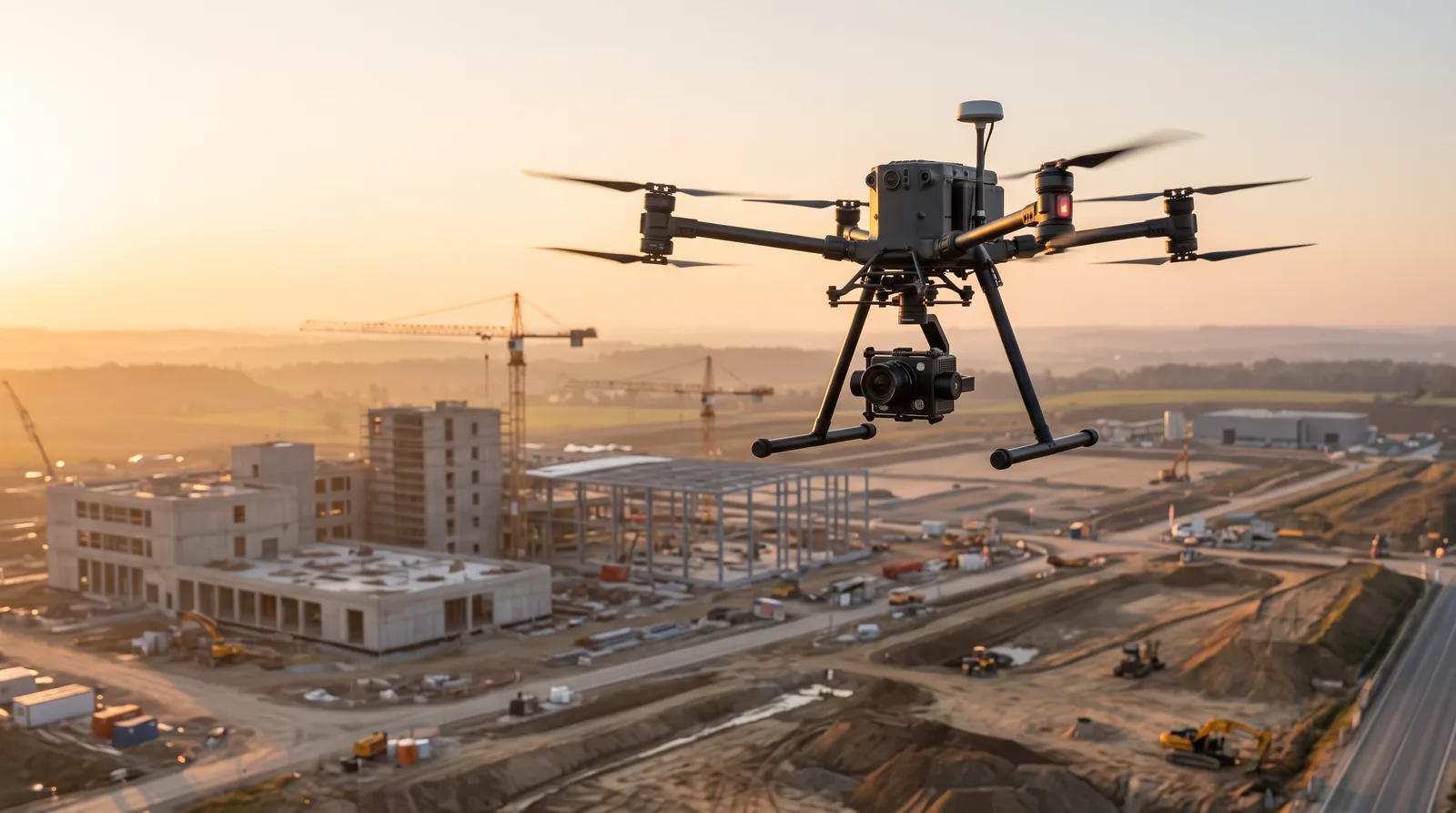
ה-Reaper ירה על רחפן. הסיפור האמיתי הוא שרשרת המשימה.
הניסוי הצרפתי ב-MQ-9 Reaper נגד מטרת רחפן הוא לא רק סיפור על Hellfire. הוא שיעור בהרחבת מעטפת משימה: חיישן, מפעיל, C2, חימוש, נהלים ותנאי שטח צריכים לעבוד יחד.
קראו את המאמראנחנו מטיסים, בודקים ומלווים תוכניות פיתוח של כטב״ם ומערכות טקטיות — מטיסת הבכורה ועד המסירה המבצעית ללקוח.
צוותי ביטחון ומגזר ציבורי כבר עובדים איתנו.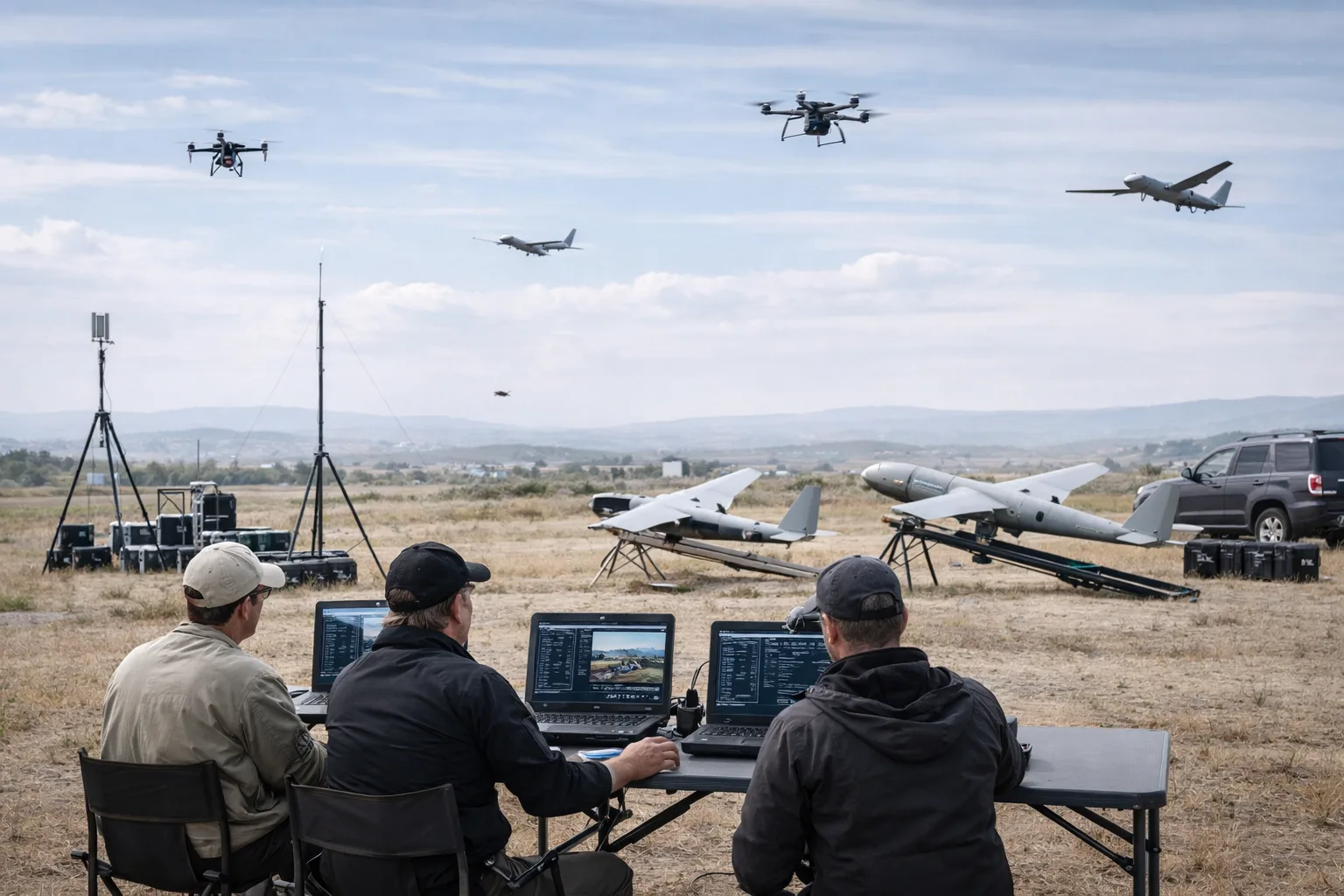
לא ״מפעיל רחפנים״ חיצוני — מטיס ניסוי שחי את התחום ומדבר עם המהנדסים שלכם בשפה שלהם.
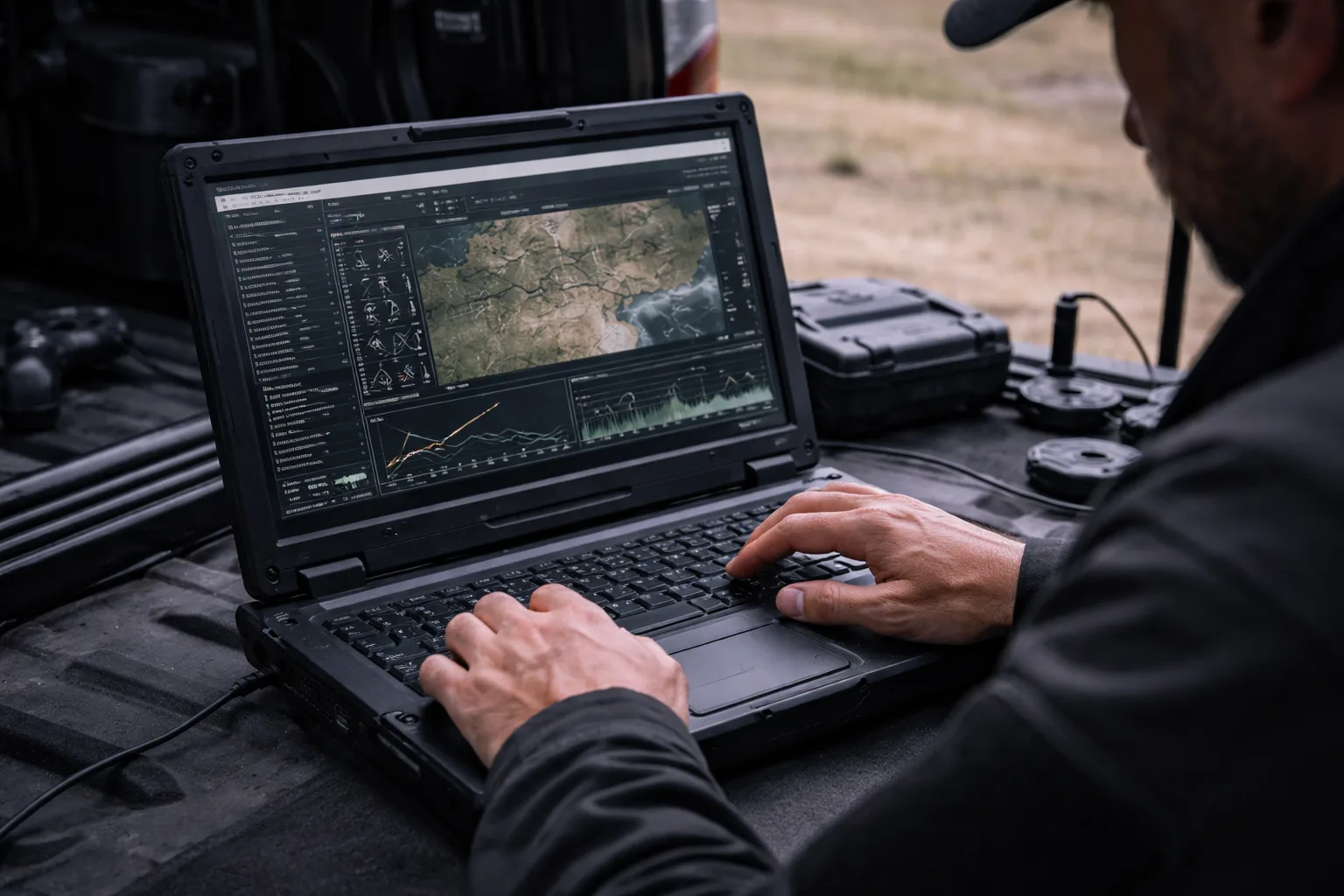
מיפוי ואינספקציה פועלים כקווי שירות מלאים — סנסורים, מתודולוגיה ומפרט תוצרים משלהם.
אורתופוטו, מודלי גובה, ענני נקודות ומדידות נפח בדיוק של ±2–3 ס״מ, נמסרים כקבצים מוכנים לעבודה עם דוח דיוק מתועד.
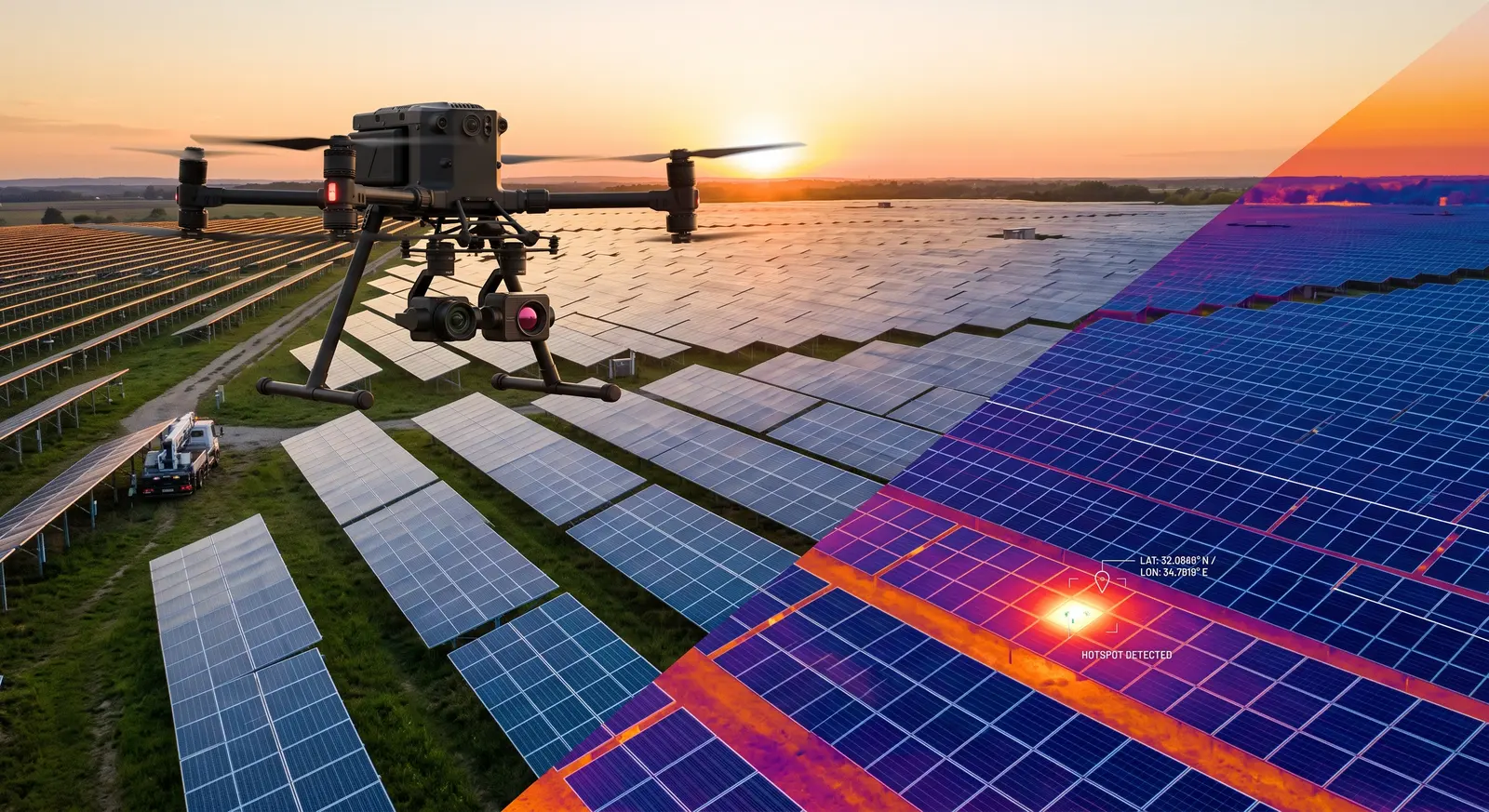
לשירותי המיפויבדיקות מונעות לחוות סולאריות, קווי מתח, מגדלים ומבנים. תרמי רדיומטרי עם נ.צ. לכל תקלה, ואפס השבתת ייצור.
לשירותי האינספקציהאנחנו מגשרים בין מה שקורה בשטח לבין האילוצים של הפיתוח — פחות העברות בין גורמים, פחות מידע שהולך לאיבוד, תיקון מהיר יותר.
הליווי נמתח מקמפיין בדיקות בודד ועד מעורבות שוטפת לאורך כל מחזור הפיתוח — נמצאים שם בדיוק כשהפלטפורמה עוד מתעצבת.
בטיחות, נוהל והתאמה רגולטורית הם חלק מהעבודה — לא משהו שמדביקים בסוף.
ארבעה שלבים שמעבירים תוכנית כטב״ם משאלה פתוחה לפעולה ברורה.
המשימה, המערכת, האילוצים והיעדים של התוכנית.
היקף העבודה, הגישה, פרופיל הסיכון ומה תקבלו בסוף.
עבודת שטח, ניסוי ואינטגרציה באתר שלכם.
ממצאים, המלצות וצעדים ברורים קדימה.
ליווי ניסוי, אינטגרציה והסמכה לאורך מחזור הפיתוח.
ייעוץ מבצעי וחיזוק יכולת משימתית.
הטמעה בטוחה, הכשרת מפעילים והתאמה רגולטורית.
ליווי מנוסה למשימות לא סטנדרטיות ולסביבות תובעניות.
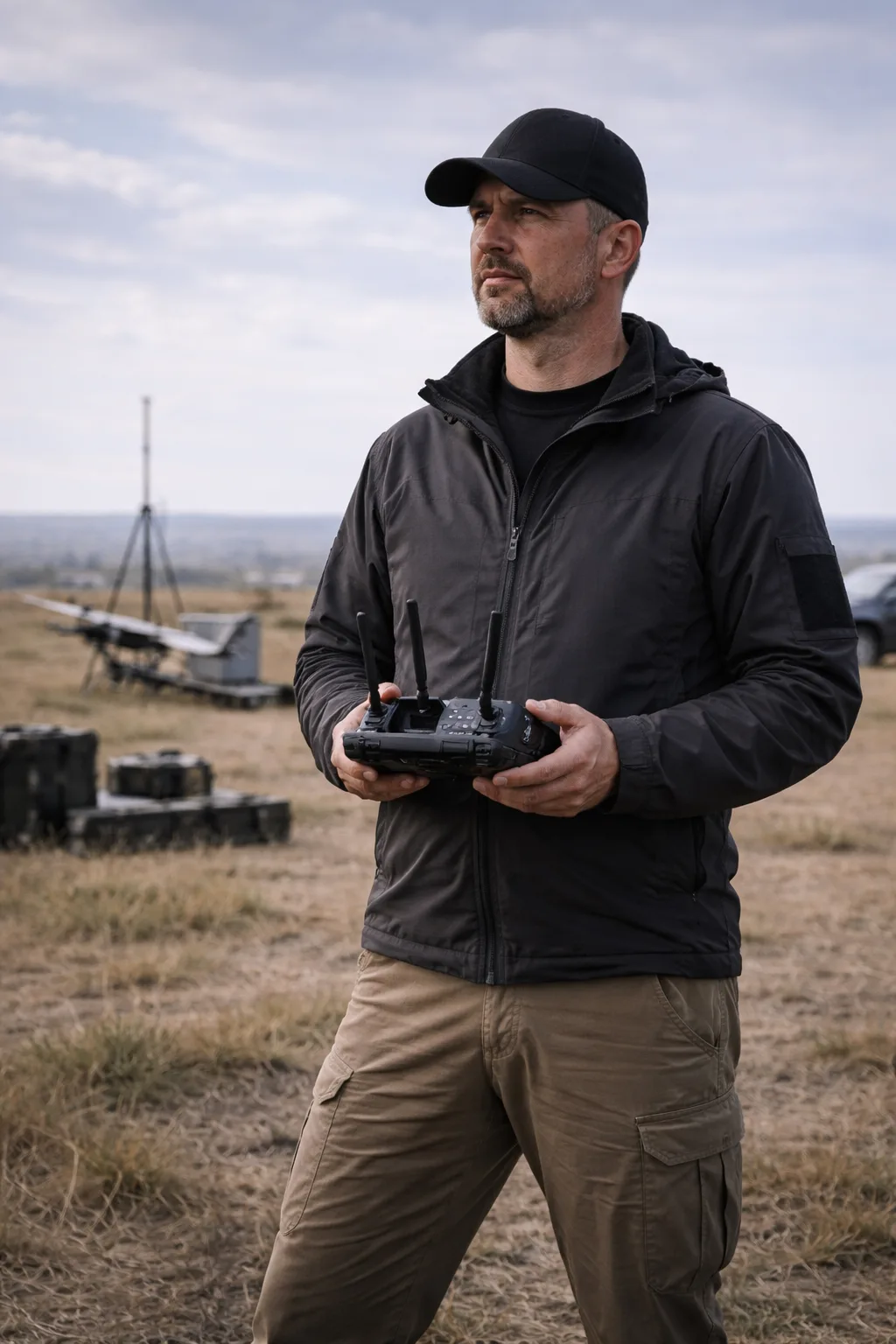
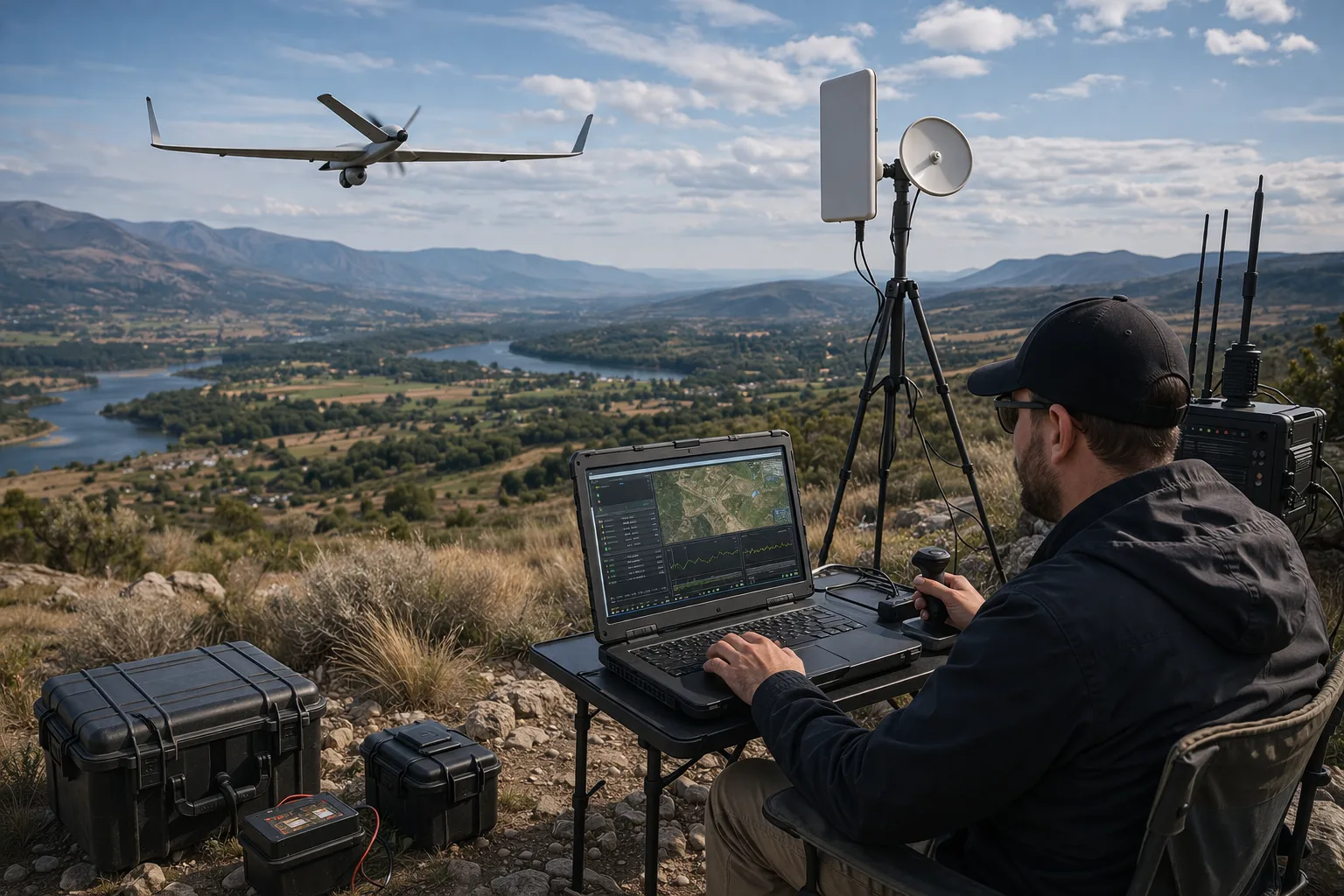
מגיע השלב שבו הפיתוח במעבדה והסימולציות מיצו את עצמן, וצריך לעלות לאוויר. זה בדיוק הרגע שבו אתם צריכים מישהו עם סטיק ביד שיודע לקרוא טלמטריה, מבין את הפיזיקה של הכלי, ויודע לסגור לכם את מעגל הפיתוח מהר.
TeamFlight היא שותפה הנדסית לתוכניות פיתוח. אנחנו נכנסים לתוך מחלקות ההנדסה והפיתוח, בדיוק בשלבים הקריטיים שבהם המערכת לומדת לעוף והפלטפורמה עדיין מתעצבת.
״אנחנו לא יועצים חיצוניים. אנחנו מטיסי הניסוי שיושבים איתכם בתחנת הקרקע, קוראים איתכם את הלוגים, ויודעים לקבל את ההחלטה הנכונה ברגע שהכלי נכנס למצב חירום.״
דברו עם מטיס ניסוי
צלילה מקצועית לדינמיקת טיסה טקטית, פתיחת מעטפת ואסטרטגיות פיתוח חכמות.
הניסוי הצרפתי ב-MQ-9 Reaper נגד מטרת רחפן הוא לא רק סיפור על Hellfire. הוא שיעור בהרחבת מעטפת משימה: חיישן, מפעיל, C2, חימוש, נהלים ותנאי שטח צריכים לעבוד יחד.
קראו את המאמרהזמנה של 650 אלף דולר ל-2,000 יחידות יירוט היא כותרת מרשימה. אבל כל מי שהיה בניסוי C-UAS אמיתי יודע: הריצה הראשונה היא קלה. הריצה השישית — עם צוות שאינו המפתחים, בתנאים פחות נוחים — היא זו שמוכיחה אם יש כאן יכולת אמיתית.
קראו את המאמרElbit מדברים על שילוב מערכות EW על פלטפורמות מוטסות. Aeronautics מציגים payload adapters לכלים שונים. מה שהודעות האינטגרציה לא מספרות: הרגע שה-payload עלה לאוויר לראשונה וה-RF link של הכלי קרס — כי אף אחד לא בדק coexistence על הספסל.
קראו את המאמרתשובות ישירות לצוותי פיתוח שמתלבטים מתי ואיך לשלב מטיס ניסוי בתוכנית.
מטיס ניסוי משולב נטמע בתוך צוות הפיתוח. בניגוד למפעיל סטנדרטי שיודע להטיס במסלולים מוגדרים מראש, הוא מבין תורת בקרה, מכייל פרמטרי PID בשטח ומזהה תנודות אווירודינמיות הרבה לפני שהלוג מראה כשל.
טיסת בכורה היא לא ״יאללה, בואו נרים ונראה״. זו סדרת בדיקות קשיחה: מבדיקת תגובות סרוו עוקפות־בקר, דרך ריחופי גובה נמוך למדידת רטט, ועד בחינת סמכות הגאים מהירה כדי למנוע הזדקרות.
פתיחת מעטפת טיסה היא התהליך השיטתי של הוכחת ביצועי הכלי — מהאזור הבטוח ועד הקצוות הפיזיקליים שלו. מתקדמים באינקרמנטים מבוקרים (למשל עוד 10 קשרים בכל סבב בדרך למהירות המרבית), מאמתים את הנתונים בכל שלב, וקובעים מראש קריטריונים ברורים להפסקת הניסוי.
אם אתם מריצים תוכנית פיתוח לכטב״ם או לחימוש משוטט וצריכים מטיס ניסוי שמשתלב בצוות ההנדסה — כתבו לנו. ספרו באיזה שלב אתם נמצאים.